Bogotá Mayor Urges Electricity Conservation Amid El Niño Risks
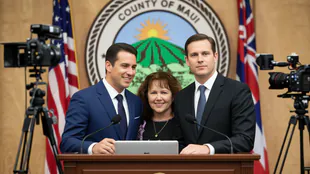
Bogotá Mayor Carlos Fernando Galán has called on residents and businesses to reduce electricity consumption, citing a significant risk to Colombia’s energy supply. With national hydroelectric reservoirs falling below target levels and El Niño conditions expected to persist, authorities are urging voluntary conservation to prevent potential shortages during the critical dry season.
Bogotá Mayor Carlos Fernando Galán has issued an urgent appeal to residents and businesses in the capital to reduce their electricity consumption, warning that Colombia’s energy system faces significant strain ahead of the dry season. The intervention comes as national hydroelectric reservoir levels have dropped below government targets, compounded by the anticipated arrival of El Niño weather patterns.
In a series of statements this week, Galán emphasized that the challenge extends beyond Bogotá, reflecting structural vulnerabilities in the country’s national electricity grid. He highlighted delays in bringing new generation projects online, insufficient natural gas supplies to operate thermal power stations at full capacity, and the additional pressure expected from rising demand.
“We have not advanced sufficiently in electricity generation, while demand has continued to grow,” Galán said during an appearance on Noticias Caracol on Thursday, November 19. He noted that previous periods of high consumption had approached the country’s available generating capacity, raising concerns about stability as the year progresses.
The immediate concern centers on the storage levels of reservoirs feeding Colombia’s hydroelectric power stations. According to data published by the Ministry of Environment on November 12, aggregate storage for reservoirs connected to the National Interconnected System stood at 78.74 percent of useful capacity, based on figures from electricity system operator XM as of November 11.
The national government had set a target to raise this figure above 80 percent by November 30 to build reserves ahead of reduced rainfall. However, subsequent reporting citing XM’s daily updates indicated that aggregate storage had fallen further, reaching approximately 77.14 percent on November 18. This declining trend has intensified calls for conservation.
Galán clarified that his warning pertains specifically to the national network used for electricity generation, distinct from the Chingaza system that supplies drinking water to Bogotá. He stressed that while the capital’s water supply is managed separately, the broader energy crisis affects the entire nation.
El Niño is expected to exacerbate the situation. The Institute of Hydrology, Meteorology and Environmental Studies (IDEAM) forecasts below-average rainfall and higher temperatures across several regions in the coming months. Citing the latest assessment from the US National Oceanic and Atmospheric Administration (NOAA), the Ministry of Environment reported a 61 percent probability that El Niño conditions could persist until May 2027, with December and January identified as particularly critical.
Colombia’s heavy reliance on hydroelectricity makes prolonged dry periods especially consequential. When water inflows decline, thermal power stations are typically expected to compensate for reduced hydroelectric output. However, Galán warned that limited natural gas availability could constrain these plants’ ability to operate at full capacity, leaving the system vulnerable to demand spikes.
For now, Bogotá is not implementing a mandatory electricity rationing program. Galán clarified that the District administration lacks the authority to impose such cuts, which fall under the jurisdiction of national energy authorities. The current objective is to reduce consumption voluntarily to provide the national system with greater flexibility in managing demand.
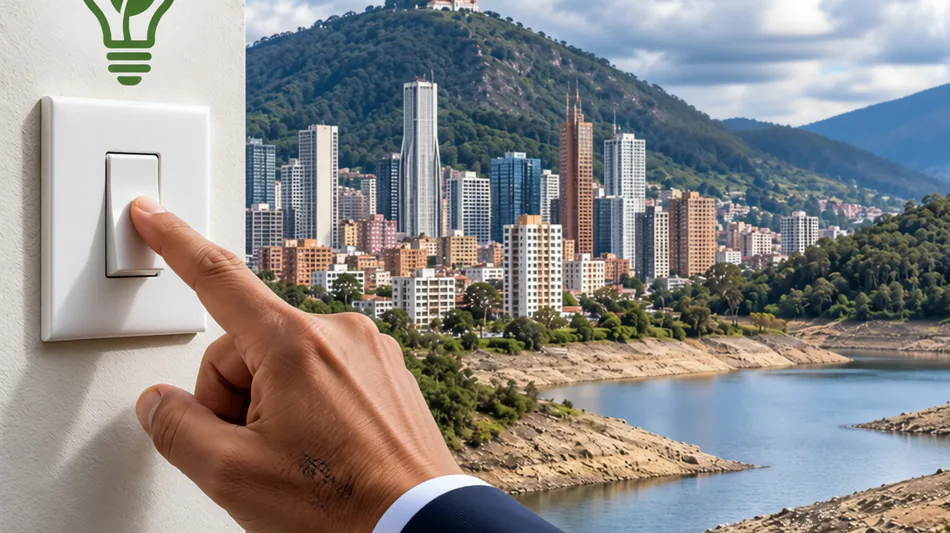
The mayor has specifically encouraged residents to limit electricity use between 6 p.m. and 9 p.m., when demand typically peaks. Recommended measures include turning off unnecessary lighting, disconnecting unused appliances, maximizing natural daylight, and avoiding the simultaneous operation of high-consumption household equipment.
The District is also preparing a detailed public information campaign to explain how electricity consumption is evolving and how residents can contribute to reducing pressure on the grid. This effort coincides with the end of the year, when commercial activity, Christmas lighting, and increased household usage typically drive up demand.
Galán described the message as one of preparation rather than an announcement of imminent blackouts. However, with Colombia’s electricity reserves below target and El Niño expected to affect rainfall into 2027, authorities are urging consumers to act now to avoid the need for compulsory restrictions later.
L.Delgado--GBA