NRC Approves Construction of Advanced Nuclear Reactors at Texas Petrochemical Site
The Nuclear Regulatory Commission has granted construction permits for four advanced nuclear reactors at a petrochemical facility on the Texas Gulf Coast. The project, a collaboration between chemical manufacturer Dow and nuclear developer X-energy, represents a significant milestone in the federal push to revitalize the U.S. nuclear sector through small modular reactor technology.
The Nuclear Regulatory Commission issued permits this week allowing the construction of four next-generation nuclear reactors at a petrochemical complex on the rural Gulf Coast of Texas. The approval marks a critical juncture for the U.S. energy sector, which has struggled to build new nuclear capacity in recent decades.
The Long Mott Generating Station, developed by chemical manufacturer Dow and nuclear startup X-energy, was one of two flagship projects selected by the U.S. Department of Energy in 2020 for its Advanced Reactor Demonstration Program. The initiative aims to catalyze growth in the nation’s nascent nuclear industry by testing new reactor designs that differ fundamentally from traditional large-scale plants.
Mike Goff, principal deputy assistant secretary for nuclear energy, stated in a press release on Monday that the milestone represents "significant step forward." He noted that the NRC’s approval demonstrates "meaningful progress toward deploying advanced reactors," signaling a shift from theoretical design to physical construction.
The Texas project sits at the forefront of a new generation of reactor designs intended to revolutionize the commercial model for atomic energy. Unlike conventional nuclear power plants, which require gargantuan construction projects and massive concrete containment structures, these advanced units are small and modular. They are designed to be produced in factories and shipped to industrial installations, such as data centers and petrochemical plants, where they can be assembled on-site.
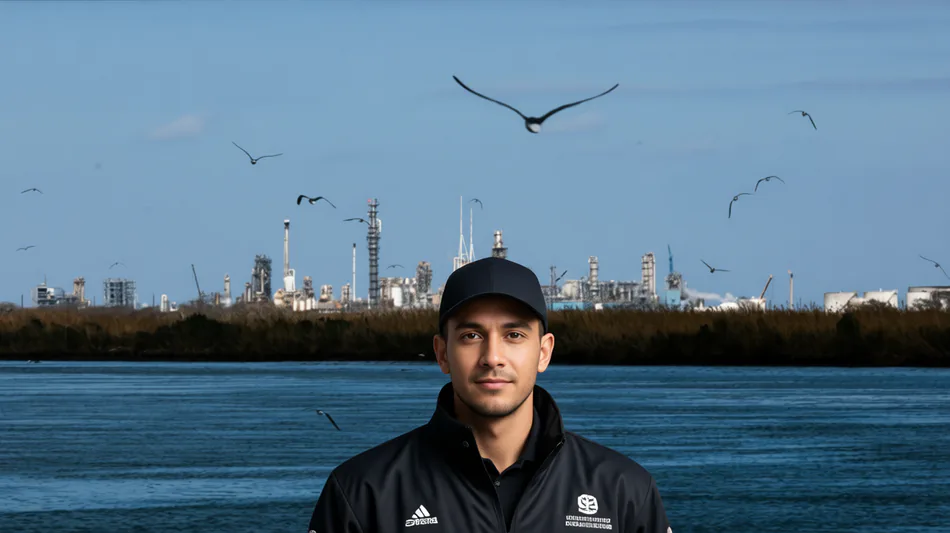
Dow plans to install four 80-megawatt reactors by X-energy at its Seadrift Operations complex, located on the Gulf Coast between Houston and Corpus Christi. The units will not require the towering concrete containment structures characteristic of existing nuclear reactors, nor the 10-mile emergency planning zones typically mandated around such facilities. This exemption is based on what scientists describe as revolutionary safety features inherent in the new reactor designs.
X-energy CEO J. Clay Sell, a former deputy energy secretary, has described the company’s Xe-100 unit as "physically impossible to melt down." The technology relies on helium gas for cooling rather than water and uses a pelletized fuel form in a moving bed of pebbles. This design incorporates a feature known as "functional containment," where the natural resilience and circulation of fuel pebbles prevents runaway warming that could lead to a meltdown.
Mehdi Reisi Fard, deputy director of advanced reactors at the NRC, explained during a public meeting in Port Lavaca in September that functional containment is "less reliant on pumps or human intervention to mitigate anomalies" compared with current control systems. The system works thanks to TRISO fuel, a new kind of pelletized nuclear fuel developed in Energy Department labs over decades. A DOE webpage states that "TRISO particles cannot melt in a commercial high-temperature reactor."
Despite the technical assurances, the project has faced skepticism from local residents and environmental advocates. Diane Wilson, a retired fourth-generation shrimper from the nearby town of Seadrift and director of San Antonio Bay Waterkeeper, expressed deep concern during public meetings. "Frankly, it’s outrageous," she said. "This is outrageous." Wilson noted that spent fuel from the reactors will be stored indefinitely on-site as nuclear waste, highlighting that the U.S. still lacks a permanent national disposal site.
In 2025, Wilson’s organization filed legal challenges to the project’s permit application over safety concerns. These challenges were ultimately dismissed by the NRC. The agency approved Dow’s reactor construction permit after an expedited review process driven by executive orders from President Donald Trump aimed at accelerating the national energy sector.
NRC Chairman Ho K. Nieh emphasized the speed of the approval in a press release. "We delivered on the 18-month schedule, proving we can do rigorous safety reviews on predictable timelines that move advanced nuclear technology from design to construction," he said.
Dow stated that it still needs to make a final decision to proceed with the project. If the company moves forward, construction could begin before 2030. The approval does not guarantee the project will be built, but it removes a significant regulatory hurdle.
Martin O’Neal, general counsel for the Nuclear Energy Institute, told the September meeting in Port Lavaca that if the project proves successful, it would "provide a pathway other industries can emulate" to install dedicated, onsite power generation. He noted that "the nuclear industry is watching this project very closely."
The approval of the Long Mott Generating Station follows a period of limited new nuclear construction in the United States. In the last three decades, the U.S. has built just one new nuclear power plant. However, federal authorities have pushed in recent years for an industry revival based on new reactor designs. The NRC issued its first permit for construction of an advanced test reactor in 2023 and its first permit for an advanced commercial reactor in March 2026.
Edwin Lyman, director of nuclear power safety with the Union of Concerned Scientists, offered a contrasting view on the safety claims. He argued that developers are using the argument that they do not need physical containment because the reactor is so safe. "Nuclear designers have been trying to reduce the costs of containment, and one way to do that would be to eliminate it entirely," Lyman said.
Lyman disputed the characterization of the fuel as indestructible. "It’s just a myth that this fuel is meltdown-proof," he said. "This fuel has vulnerabilities." His comments reflect ongoing debates within the scientific community regarding the long-term reliability of advanced nuclear technologies compared to established water-cooled designs.
The NRC hosted the public meeting in Port Lavaca to take questions and comments from the community on the Long Mott Generating Station. The event highlighted the tension between federal efforts to modernize energy infrastructure and local concerns about environmental safety and waste management.
As the nuclear industry watches the progress of the Seadrift project, the outcome will likely influence future regulatory decisions and investment in advanced reactor technology. The project represents a test case for whether small modular reactors can become a viable component of the U.S. energy grid, particularly for industrial applications requiring reliable, high-output power.
O.Peralta--GBA